Double Feature: AI in Cardiovascular Risk & LGBTQIA+ Eye Health Disparities
Seminar Series 7Date: Tuesday 14 October
Time: 7.30 – 8.30pm AEDT
Where: Online via Zoom
CPD: 1.5C
Presentation 1: The utility of predictions of cardiovascular outcomes based upon retinal photographs
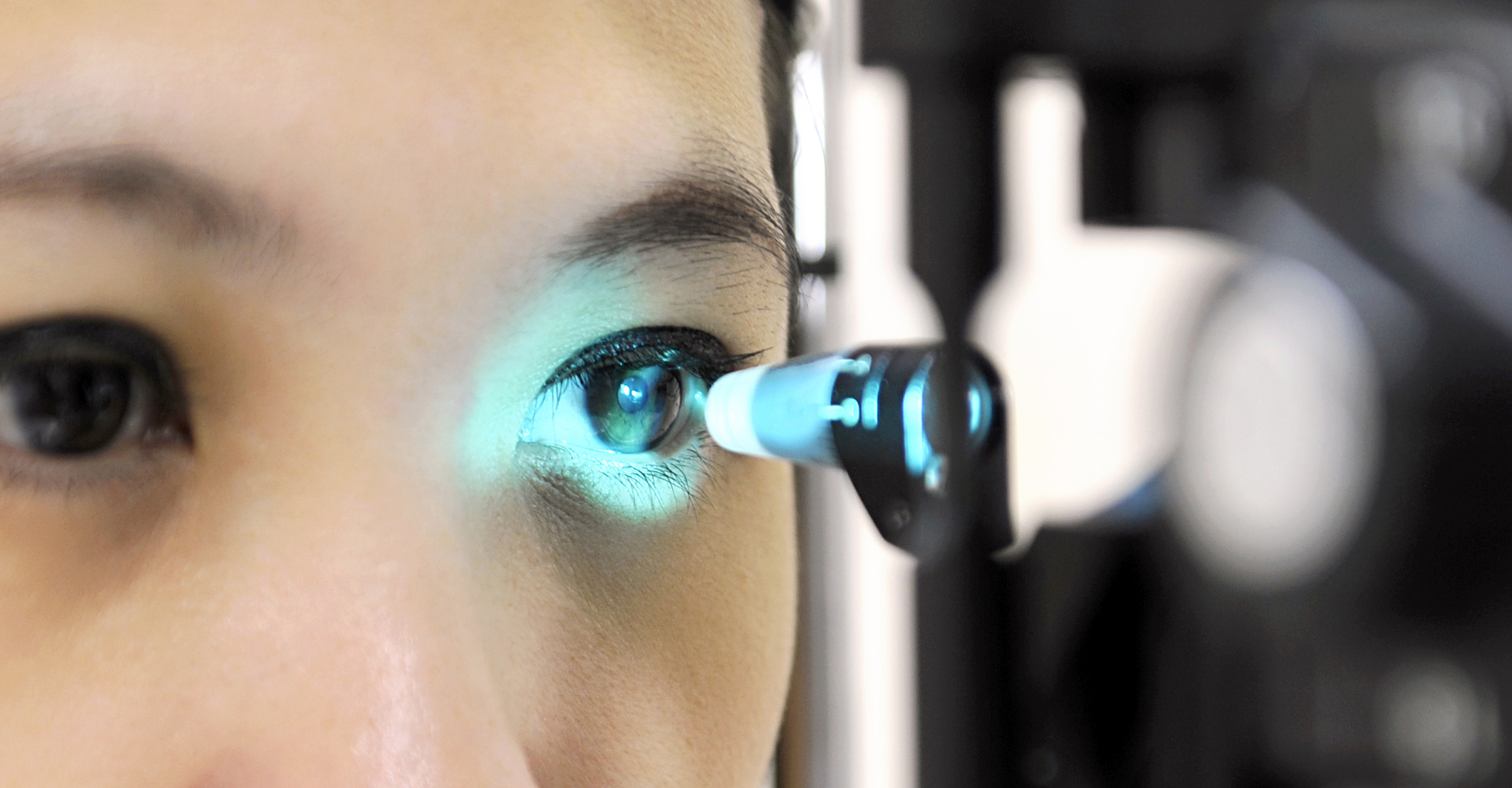
Cardiovascular disease (CVD) accounted for 25% of all deaths in Australia in 2021, creating a significant clinical and economic burden on the healthcare system. Accurate risk assessment is critical for early intervention and effective management. Recent advances show that retinal imaging can be a reliable predictor of cardiovascular outcomes, with strong acceptance among clinicians and patients. In this presentation, Dr Katerina Kiburg will discuss the clinical utility and diagnostic accuracy of a deep learning-based artificial intelligence (AI) model for CVD risk assessment. Importantly, this model addresses the common issue of risk underestimation and performs comparably to established tools such as the World Health Organization (WHO) CVD risk assessment instrument.
Presentation 2: The association between self-identified sexual orientation and visual impairment
Members of the LGBTQIA+ community continue to face systemic barriers in accessing general healthcare, and similar disparities are seen in eyecare services. Large-scale health databases, such as the National Health and Nutrition Examination Survey (NHANES), often lack detailed data on gender identity, limiting our understanding of eye health outcomes for gender-diverse populations. However, extrapolated data based on self-identified sexual orientation provide valuable insights. This research found that identifying with a sexual orientation other than heterosexual was significantly associated with visual impairment, even after adjusting for sex, demographic, and socioeconomic factors. In this presentation, Dr Katerina Kiburg will share findings that begin to address critical gaps in knowledge of eye health disparities within the LGBTQIA+ community, with a particular focus on gender non-binary individuals.
ACO’s monthly Seminar Series is exclusively available to ACO Members and staff.
Yes, seminars are free for ACO Members and staff.
ACO Members will receive an email with a Zoom link up to 3 weeks before the seminar date. Alternatively, log into your ACO Member portal to register for your chosen seminar or email [email protected] directly.